A handful of complete briefs from a demo Market Intelligence Relay. Real work, for a brand that isn’t yet a client.
inbox5 unread
No older messages.
What these sample briefs even are
Kurt Reckziegel <kurt@kudare.co>to mean introduction
The Market Intelligence Relay is a weekly brief on your market. What your competitors and your category did. What's going on in your customers' lives beyond your brand. Two ideas worth stealing from outside your category, one product and one marketing. A few provocations. And one idea from the science of people.
I pick every item myself and write why it matters to you. Every source is linked, so you can check me on any of it. Eight minutes, give or take.
Why there's a sunglasses brand in here
goodr is not a Kudare client. Nobody there asked for this. To show what a real week looks like without publishing a paying client's work, I pointed the relay at goodr, the affordable active-eyewear brand, and ran it exactly the way I'd run it for somebody paying. I put on a goodr client hat and briefed myself as best I could from outside the company. Everything here is public and linked.
What it costs
$3,750 a month, plus $5,000 once to set it up. No annual contract necessary.
Open the brief in the next email and read it the way a client would.
Kurt
Sunski's anti-scroll campaign, and what a later Labor Day does to your back-to-school window
Kurt Reckziegel <kurt@kudare.co>to goodr <the team>Aug 17, 2026
Market Intelligence Relay prepared for
week of August 11, 2026·8 minute readno. 01
Competitors & industry
What's the action happening among the competitive set and the category this week.
Knockaround keeps shipping reasons to buy a second pair, not just replace the first.
This week the brand added two new limited-edition colorways, Lost at Sea Fort Knocks and Velvet Royale Premiums, both live on Knockaround's homepage, and turned on a sitewide Buy One Get One 50% off promotion (code BOGO50, running Aug 16 through Aug 18), framed around picking up a "backup" or "beach pair" so losing one in an Uber isn't a big deal. That sits on top of a standing collaboration calendar that gives specific audiences their own reason to buy in, rather than selling one generic pair to everyone: a three-year deal making Knockaround the official sunglasses partner of New York Road Runners and the TCS New York City Marathon, with a 50th-anniversary edition just released for this year's race; an ongoing Dogfish Head collab pairing fishing- and beach-styled frames with the brewery's fanbase; and a Fender collaboration built around the Stratocaster's 70th anniversary, from $45. It's the same instinct behind the brand's Normal F*ing Sunglasses collab with DuckDuckGo this July, an anti-Meta-smart-glasses satire piece that reportedly sold out in under a week: Knockaround treats sunglasses as a light, frequent purchase, and keeps giving different audiences their own reason to buy in rather than positioning around one "forever" pair.
Blenders' bigger story is a new Chief Content Officer, not just its Coach Prime lineup.
In late July, Blenders named creator Jordan Howlett, "Jordan the Stallion" to his 50M+ followers, as its first Chief Content Officer, tasked with shaping creative direction and product storytelling. His first move as CCO was BlendLab, a $59 "mystery" sunglasses drop he assembled himself for a limited time. Separately, the brand is running paid support behind its "PRIME 21" collection with Deion Sanders, now in its third season rather than a new signing, and a "Buttery Bros" creator collab. The Sanders name is staying in headlines beyond football too: his son Shilo faces an Aug 31 bankruptcy trial with Deion himself subpoenaed to testify, right as Blenders leans further into the Coach Prime association heading into college football season.
Shady Rays keeps releasing new colorways while building out a camo-and-cause partnership on the side.
New for August: a Rose colorway and a Sequoia style, both live in the brand's paid social rotation as of Aug 13. That sits alongside two other current launches on the Shady Rays site: Badlands ($64), a wrap-frame shield style, and Cascade Shift, both flagged "New Launch" on the site; plus an ongoing Realtree Edge partnership pairing camo-pattern frames with the brand's usual polarized optics, with each order funding 10 meals through Feeding America.
Sunski is positioning sunscreen and sunglasses as a package deal against phone time, not against the sun.
The brand launched "Nature is the Antidote," a campaign framing time outside as the fix for too much scrolling, running across paid social, a hero feature on the homepage, and a short film. It's also selling sunscreen now, not just eyewear. The mechanic: follow, like, and tag two friends on Instagram for a shot at one of three "Daily Nature Kits" (the brand's full SPF lineup plus a pair of sunglasses, $200+ value), winners announced Monday, Aug 17. The brand's own copy: "Humans were not born to scroll. We were meant to be outside, exploring and adventuring and feeling the grass between our toes... We're giving away 3 Daily Nature Kits... to help you get outside more and to feel alive." It's a more values-forward pitch than the lifetime-warranty, review-count messaging Sunski usually runs on.
Three competitors picked up real celebrity mileage this week.
Zendaya wore Le Specs' Honey Pot Black Brown Mono sunglasses ($75) on a casual outing with Tom Holland in London. Meghan Markle's Blenders "Grove" style ($69, polarized, silver side detail) sold out and is back in stock, though the underlying photo is from a February 2024 Invictus Games appearance, not a new sighting, the restock itself is the news. And Quay's "Nader Sisters" collection, fronted by Brooks Nader, is live with a 20%-off-two-frames promotion across roughly ten styles ($75-$125), though I couldn't confirm a launch date for it.
What's top of mind in your customers' lives right now, beyond the brand.
"Fisherman core" is back in outdoor-to-fashion crossover coverage, for at least the third documented cycle.
Outside Online traced the utilitarian-fishing-gear-as-streetwear trend back to a 1995 Vogue spread, a 2012 Junya Watanabe collection, 2019 GQ coverage, and Drake's 2024 Nocta line, framing it as a recurring revival rather than something new. Worth separating two versions of it: the aesthetic read (a chunky knit sweater, a bucket hat) versus the functional read (actual technical gear, sunglasses, a sun-shade hoodie). goodr's own fishing-adjacent styles sit on the functional end, a different story than a fashion trend cycle.
Krispy Kreme and Bath & Body Works both shipped nostalgia collabs this same week, outside their usual lane.
Krispy Kreme launched a six-doughnut Pokémon line (Bulbasaur, Poké Ball, Squirtle, Jigglypuff, Pikachu, Charmander), on sale Aug 18. Bath & Body Works launched its fifth Nightmare Before Christmas collection, on sale Aug 17, already reaching toward fall before Labor Day. Neither is a collectibles-native brand, which is what makes the pairing worth noting: nostalgia and licensed-IP marketing is showing up in categories where it isn't the default play. None of these tie to a shared calendar trigger, worth keeping in mind against goodr's own collab-heavy playbook.
Runner comfort-hacking keeps moving up the body: footwear, then the torso, now the face.
Runner's World's Aug 16 coverage included a "viral Aquaphor hack," runners applying it to their eyebrows to keep sweat out of their eyes on hot runs. Comfort optimization in running has a long history at the feet (shoe choice) and the torso (Body Glide, nipple bandaids); this is the same instinct moving up to the face.
Back-to-school timing runs later this year, and shoppers are pulling back while they wait.
Google Trends shows US search interest in "back to school" climbing through mid-August. The later Labor Day (Sept 7) is a real driver, not just a seasonal skew: New York City's public schools won't start until Sept 10, nearly a week later than last year's Sept 4 start, and most of the Northeast follows the same day-after-Labor-Day rule. At the same time, shoppers are tightening up: the average family planned to spend $611 on back-to-school shopping this year, $130 less than last year, and 62% say they're actively hunting for deals, up from 52% a year ago.
A tight pennant race gives fans a reason to wear their team, especially the ones surprising themselves.
Tampa Bay currently leads the AL East, 6.5 games ahead of the Yankees, with playoff races heating up across MLB in August. Fans tend to reach for team-branded gear to signal they're following a team in the race, and that instinct runs stronger for a team that wasn't expected to be this good this season.
Runners on Reddit want races to bring the same care to the small stuff that independent run clubs already do.
A thread in r/AdvancedRunning raised a complaint that race swag and medals increasingly look AI-generated and interchangeable across small local races, with some runners saying they'd skip a race over it. A separate thread in r/running described run-club culture leaning further into social and content, matching hats, filming 5Ks, treating the run itself as a shared production. Read together, the complaint isn't really about the swag, it's that runners want to spend their hobby around people who visibly care, which independent run clubs are already delivering and some races aren't. Both are single threads, not confirmed as a wider sentiment yet, worth treating as an early signal rather than an established pattern.
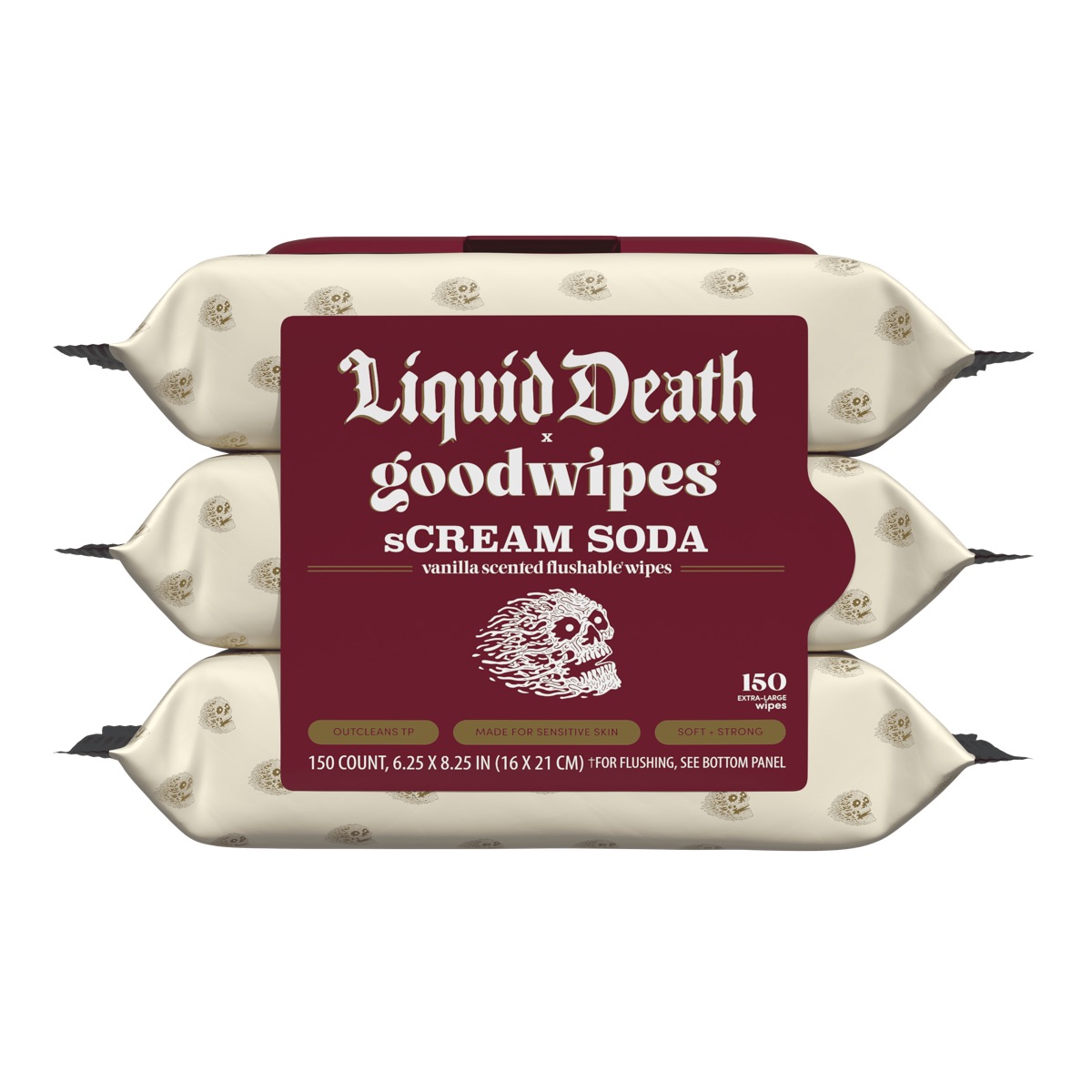
PRODUCT: Liquid Death x goodwipes flushable wipes ($17.99)
Liquid Death paired with goodwipes on a limited-edition flushable-wipes SKU, exclusive to 4,000+ Walmart stores through January 2027. The move: pairing with a completely unrelated, unglamorous category purely because both brands share the same irreverent voice, then landing the collab as a big-box exclusive to force press pickup and in-store discovery. A clean example of brand voice alone carrying a collab into a category with zero functional overlap.
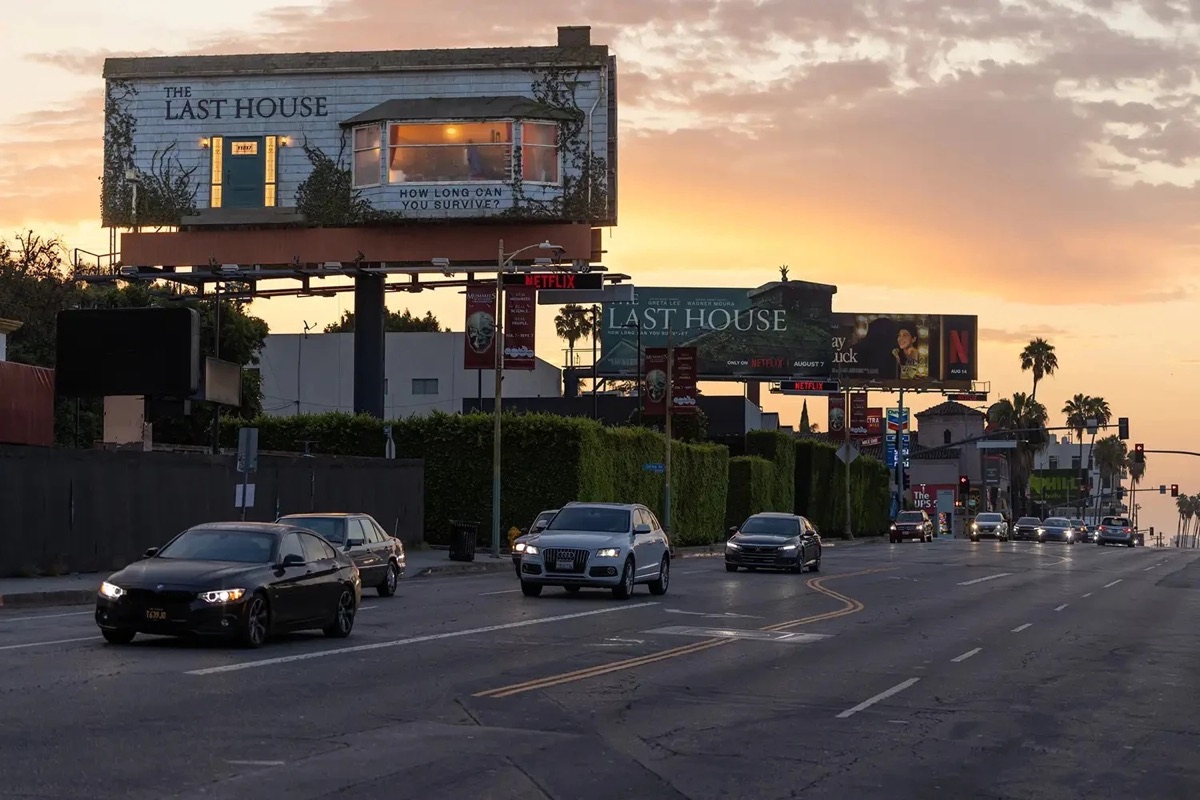
MARKETING: Netflix's "The Last House" billboard stunt
For three days in early August, Netflix put a live performer inside a furnished, air-conditioned room built into a Sunset Boulevard billboard to promote a thriller, replying to passersby on a whiteboard. The move: turning a static, one-way outdoor placement into a durational live performance with a daily hook, so people check back repeatedly instead of seeing the ad once.
Ideas and provocations as to what the above might all mean to goodr.
Back-to-school isn't one potential goodr moment, it's three, arriving in sequence.
Sports training camps first, roughly early-to-mid August. Campus move-in and social reinvention next, mid-to-late August. Family logistics and school-bus chaos last, pushed even later this year by the delayed Labor Day. Is goodr's seasonal messaging built to move with that arc, hitting each audience as their own moment actually arrives, or is it built to say one generic thing on one date?
Is there an unexpected partnership hiding in the viral Aquaphor trend?
goodr picking it up, even something as small as free samples with certain performance-glasses models, would do two things at once: signal that goodr actually pays attention to niche things serious runners are doing, not just the obvious stuff, and provide value by cluing in runners who haven't come across the hack yet.
MLB pennant races heating up now means playoff bracket season is right behind it, and brackets are all the rage.
Seems like an open door for goodr to have fun with how it represents brackets through its own product: imagine actual FanZone sunglasses going head-to-head throughout the playoffs. You could even play around with pricing along the way, like eliminated teams going on sale and winners getting progressively more expensive (so it pays to be on the bandwagon early).
This week's race-swag complaint (runners calling medals and merch "AI-generated" looking) might not just be about AI, it could be about facelessness, the sense that nobody actually made this for anyone in particular.
The same complaint shows up well past running: rising frustration with chatbot customer service, dropshipped stores that look cheap and interchangeable, generic stock photography, AI slop email newsletters and LinkedIn "thought leadership" posts. Craft and effort are appreciated, so we should make sure that comes through in our product and marketing. And, who knows, could we also rescue lame race swag somehow?
Your Weekly Dose
A little nugget of knowledge from the science of people.
Collective effervescence
Collective effervescence is sociologist Émile Durkheim's term for the electric unity people feel in synchronized crowds, concerts, stadiums, launches, drops, that binds individuals to the group and sacralizes whatever they gathered around. This week's read: as MLB's pennant race heats up, the pull isn't just watching a good game, it's the shared, synchronized experience of following a team through it that pulls fans in and makes them want to visibly belong.
Kurt
goodr is not a Kudare client, so this used public sources only. See intro at the top of the inbox for more context.
Padel is growing 10x faster than pickleball, and a lawsuit is shadowing Blenders' biggest push of the year
Kurt Reckziegel <kurt@kudare.co>to goodr <the team>Aug 24, 2026
Market Intelligence Relay prepared for
week of August 18, 2026·8 minute readno. 02
Competitors & industry
What's the action happening among the competitive set and the category this week.
Padel is growing fast enough to justify its own sunglasses collection.
SFIA's mid-year participation report shows padel closing in on the kind of growth that usually earns a sport its own collection: pickleball's growth cooled to 1.3% this year while padel expanded 14.5%, ten times faster, inside a record 81.3% overall participation rate. There may be an opportunity to add a new collection page under the sports menu in the goodr.com navbar, if for nothing else than SEO and a landing page for search traffic. Or if the opportunity isn't distinct enough, then it could get rolled into an "alternative racket sports" category with pickleball.
Fanatics just locked up exclusive retail rights to the Ryder Cup, the same land-grab logic your own competitors are running with MLB and NYRR.
Fanatics became the exclusive retail operator for the 2027 Ryder Cup and the DP World Tour's Ryder Cup Europe stores this week, covering e-commerce, pop-ups, licensing, wholesale, and product design. It's the same move Pit Viper made locking in Victus and MLB, and the same move Knockaround made with its multi-year NYRR deal, tying a brand to a real sports property instead of a brand-invented moment. This one is just run by a retail operator buying up an entire tour instead of a single sunglasses drop. The demand behind the land grab is real: a European Tour Group executive said general admission demand for next year's Ryder Cup could have sold out more than 12 times over, on top of a broader participation boom, 48.1 million Americans played golf in 2025, a record 41% above pre-pandemic levels, with women now 28% of on-course golfers and people of color up from 8% of golfers in 1990 to 26% today.
Knockaround's kids sunglasses ads are running a safety-certification line this week.
Knockaround's Kids Premiums product page and this week's ads both carry the line "Certified safe! Latex free, lead & heavy metal free, lab tested," alongside a 25% discount. It's a claim built for a different buyer than most of Knockaround's marketing targets, a cautious (but cool) parent evaluating a product for a 3 to 10 year old rather than someone buying sunglasses for themselves.
Roka's discount is aimed at enticing people who've considered but never bought the brand.
Roka's "End of Summer Sale" cuts up to 40% off sitewide starting this week, on a brand that rarely discounts. One of the two ad lines running is aimed squarely at new buyers: "Time to finally try ROKA. Your first pair is up to 40% off." A 40% first-pair discount is a trial offer for exactly the kind of buyer who might otherwise have been considering (or already a customer of) goodr.
Pit Viper's MLB collab is the third version of the same play this quarter.
Pit Viper and Victus, MLB's official bat maker, launched "Flip-Offs 2.0" timed to MLB Players' Weekend, August 21 to 23: turquoise and hot pink sunglasses with a hydro-dipped zebra print lens, sold alone for $119 or bundled with a matching hand-painted Victus bat for $320, exclusively through Victus's own site. It's the same move Knockaround and Blenders both ran this quarter, tying a collab to a real fixture on the sports calendar rather than a brand-invented date.
Blenders is leaning hard into Coach Prime this week, while a lawsuit over Sanders' personal logos plays out in federal court.
Blenders launched about a dozen new ad creatives this week promoting "Coach Prime 21 GOLD," its Deion Sanders line now in its third season. Separately, a graphic designer is suing Sanders in federal court over rights to his personal "PRIME" and "TRUTH" logos, alleging he signed them away on promised opportunities that never came through. Nothing in the reporting ties the lawsuit to Blenders by name. But the brand is putting fresh ad spend behind a partner whose personal brand has an open legal cloud over exactly this kind of licensing deal.
What's top of mind in your customers' lives right now, beyond the brand.
Back-to-school spending hit a record this year, but the strain underneath it is landing on families who can least afford it.
Back-to-school costs are up nearly 11% year over year, with economists pointing to tariffs and oil-price pass-through as a driver (lunchboxes up 27%, notebooks up 23%). Circana's read on the season is "moderate at best": growth is concentrated among higher-income households, while middle and lower-income families cut back on discretionary purchases and kids' apparel spending is projected to decline in Q3. The National Retail Federation still expects a record $43.3 billion in K-12 spending nationally, up from $39.4 billion in 2025, a topline number sitting on top of families visibly rationing: one parent buying "the cheapest folder that I can afford" and covering it with stickers, another getting three kids through the season on $35 by reusing three-quarters of last year's supplies. 57% of parents say they're entering the season already carrying credit card debt, and 45% plan to use buy-now-pay-later financing this year, up from 39% last year.
Small, capped-spend purchases are working as stress relief this year; necessary little indulgences.
A Psychology Today piece on "treatonomics" argues that small, capped-spend purchases, a coffee, a toy, a cosmetic, are a deliberate coping move under financial stress, not a lapse in discipline: "an immediate, manageable, tiny decision that is still ours to make." It cites survey data that most Americans indulge in a small splurge monthly and consciously cap what they spend on it, the same territory behind the classic finding that this category of spending rises, not falls, when money is tight. That's your price band already: a $30 to $45 buy that's cheap enough not to need justifying.
Adidas and Toca Boca are paying to keep tween girls in sports.
Toca Boca, Spin Master's kids' digital-play app with roughly 60 million fans, and Adidas launched a global in-app collab this week putting branded digital sportswear into the app, citing Women's Sports Foundation data that girls drop out of sport at a higher rate than boys starting around age 14. The retention problem has a dollar figure attached to it on the other end: women's sports drew 28.6 billion minutes of US viewing in the first half of 2026, up 18% year over year, and ad spend against it is up 120% since 2022. The fans who stick with women's sports skew young, affluent, and educated, and 62% follow individual athletes rather than teams, loyalty built on a personal story rather than a team. A kids' product with a share of sales tied to girls'-sport retention would extend the same cause-collection model as your National Park Foundation line.
A basketball social club just raised $2 million to expand outside LA.
Crosscourt, which runs tech-enabled basketball clubs combining scheduled pickup games, performance classes, and an app with live stats and member profiles, raised $2 million to open a Miami location this fall, on top of a downtown LA flagship that already hosts 150,000 monthly sessions. The company is framing the expansion around a specific gap: only 20% of American adults currently play a team sport. It's the run-club wave's structure, recreational sport sold as a paid membership and a social identity, running the same play in basketball.
A DTC endurance brand is building its identity around "the amateur" as a real athletic identity, not a lesser one.
Amateur, a New Canaan, Connecticut retailer and e-commerce site for running, cycling, and skiing gear, posted a manifesto arguing the "modern amateur" is a competitor in the full sense of the word: someone who studies the course, follows the training block, tracks shoe technology, joins the club, documents the process, and moves fluidly between marathons, strength training, Hyrox, and track work, often all at once.
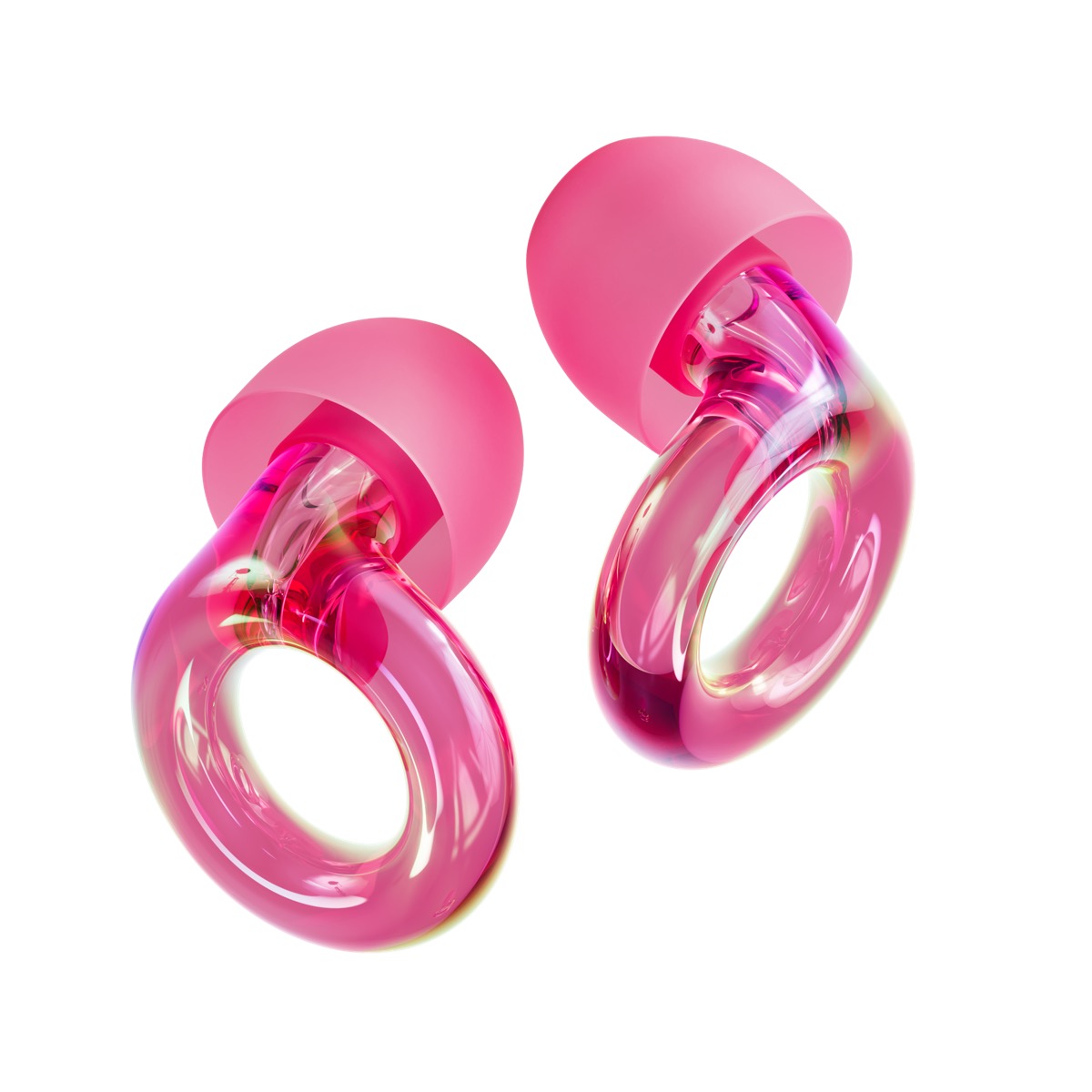
Loop's core lineup, Quiet, Engage, Experience, Switch, runs $24.95 to $59.95 and doesn't change much release to release. What does change is a steady run of named collaborations layered on top: a limited Paris Hilton x Loop Engage design, "Paris Pink," launched August 19 at $39.95, following a multi-year Tomorrowland festival partnership and a first tech tie-in with Harry Styles' Pleasing brand earlier this year. Hilton's own pitch for it is personal, tied to managing noise as "a mom, entrepreneur, DJ and media personality" with ADHD. The move: keep the core catalog stable and cheap to produce, and let a rotating cast of named collaborators carry the story and the modest price premium, rather than reinventing the product for every drop. You run the identical structure with your National Park Foundation collection; the transferable piece is anchoring a collab in one person's specific, personal reason for using the product, not just a shared aesthetic.
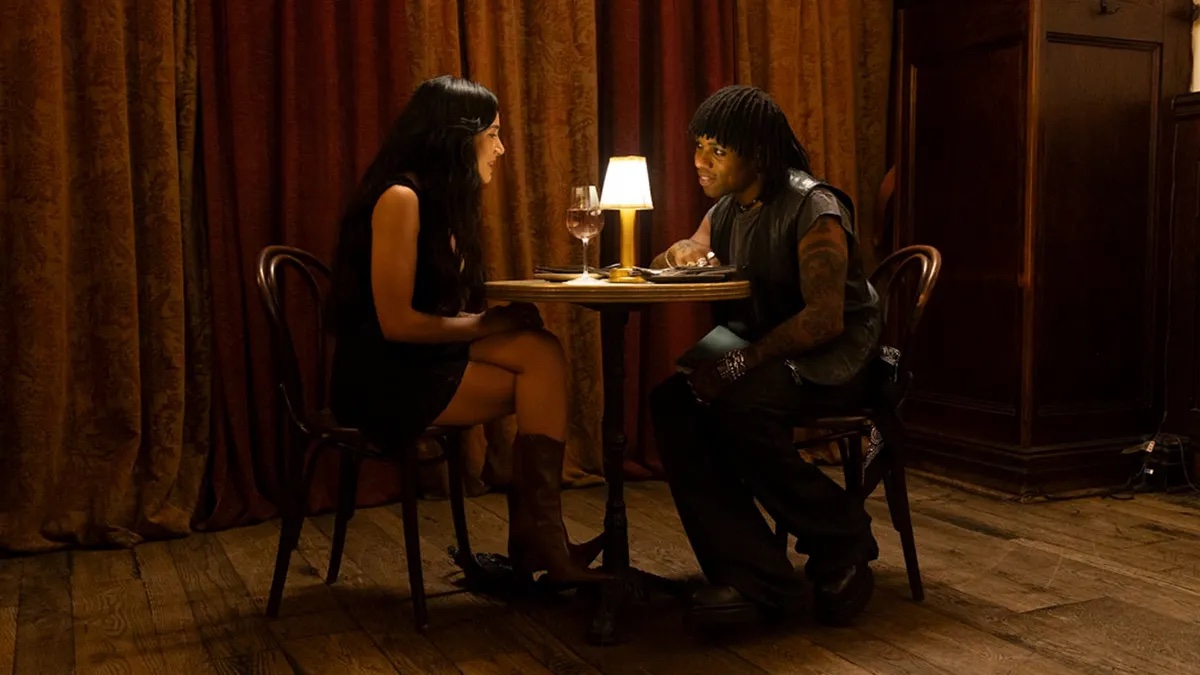
Nuuly, Urban Outfitters' clothing-rental brand, skipped its usual fall media plan and put the budget into a 12-episode branded rom-com instead: 60 seconds an episode, starring Wally Baram, released in batches of three on TikTok, Reels, and YouTube Shorts through August 25, built in a few weeks with a small agency rather than a traditional campaign shop. The move: the format itself carries the distribution. A serialized story with real stakes gives people a reason to come back episode to episode, the way a media buy would otherwise have to force repeat impressions.
Ideas and provocations as to what the above might all mean to goodr.
Your one sports handle is trying to be a golf brand, a pickleball brand, and a baseball brand, to people who might only care about one of those, and may even strongly dislike the others.
Running, surfing, baseball, volleyball, kayaking, tennis, golf, and now probably padel. Your @sportsgoodr handle is getting crowded. It might be time to start spinning some of those sports into their own separate channels. Gary Vaynerchuk has recently been saying that social media has become interest media, algorithms now serve content on what a viewer cares about, not who follows the account. His own zero-follower test account pulled 8.2 million organic views on its first post. A brand-new padel handle could reach padel fans the same way, without years of built-up followers first.
If you're looking to launch a kids line, 2027 will be the 40th anniversary of National Girls and Women in Sports Day.
That day is co-founded by the Women's Sports Foundation, the exact organization behind this week's stat on girls dropping out of sport at 14. Imagine a straight cut of every kids' pair going directly to WSF programs, telling the story of how goodr supports girls in sports, and making new goodr customers for life while you're at it.
The 2nd-ever NWSL Combine is less than four months out, and no eyewear brand has claimed it yet.
This week's whole competitive pattern is brands tying themselves to a real fixture on someone else's calendar instead of inventing their own moment, Knockaround and NYRR, Pit Viper and MLB's Victus, Fanatics buying up the Ryder Cup. The NWSL Combine is a real fixture, still young, still growing, and it sits squarely inside the women's-sports lean you've already bet on in other ways.
Your Weekly Dose
A little nugget of knowledge from the science of people.
The MAYA principle
"Most Advanced Yet Acceptable": people adopt the newest thing they can still recognize. Too familiar bores, too novel repels, and the sweet spot advances just one legible step. It's why early iPhone redesigns kept the rectangle and the home button even as everything inside changed, and why most successful product redesigns change one thing a customer can point to, not everything at once.
Kurt
goodr is not a Kudare client, so this used public sources only. See intro at the top of the inbox for more context.
Mahjong deserves sunglasses as much as poker does, and teens are becoming the household's brand influencers
Kurt Reckziegel <kurt@kudare.co>to goodr <the team>Sep 1, 2026
Market Intelligence Relay prepared for
week of August 25, 2026·8 minute readno. 03
Competitors & industry
What's the action happening among the competitive set and the category this week.
Ray-Ban's brand president just resigned. Three days later, EssilorLuxottica authorized a share buyback.
Knockaround's "baseball season is coming" ad is aimed at fall ball, not the MLB season winding down.
The ad, running since Aug 28 on its kids' Campeones line, looks mistimed if you're thinking about MLB's regular season ending in September. But youth baseball runs its own calendar. Little League's official "Fall Ball" season, what it calls the Second Season, opens registration in mid-August nationally and plays through September and October. Knockaround's ad landed exactly when parents are actually signing kids up.
Two stores that have nothing to do with sunglasses are making sunglasses people rate as well as specialty brands.
A Gear Patrol roundup this week flagged Uniqlo's $25 pair, which averages 4.5 stars on Uniqlo's own site. Quince's $50 pair got compared directly by an independent reviewer to a $500-plus Oliver Peoples style and called "a pretty good dupe" that "held up well" next to it. Neither company positions itself as a sunglasses brand at all, but that's not stopping consumers from buying and appreciating their product as a viable alternative to pricier options out there.
What's top of mind in your customers' lives right now, beyond the brand.
23 percent of shoppers plan to spend more on holiday gifts this year. 21 percent plan to spend less.
Forty-seven percent plan to spend about the same as last year. Fifty-three percent name rising prices as their top worry, according to a new McKinsey ConsumerWise survey. Two groups seem to be moving in opposite directions, so brands either need to catch the eye of high spenders or cement themselves as a non-negotiable for lower spenders (or both!).
Licensing pulls the same demand whether the scarcity behind it is real or just printed on the packaging.
runDisney's January 2027 Marathon Weekend is already sold out, one of the hardest races to get into in the sport, and that scarcity is real, there are only so many bibs. The same week, Burger King's Dragon Ball Super meal and Crumbl's Minecraft cookies both ran as "limited-run" tie-ins, even though neither a burger chain nor a cookie chain is actually short on ingredients. The license does the same job either way. Borrow enough fandom, put a deadline on it, and demand shows up whether the shortage is genuine or manufactured.
Fall is the biggest racing season of the year, and right now is when half-marathon training should start.
RunSignup's 2025 RaceTrends report found 36 percent of all US races happen in September, October, and November alone. A half-marathon training block runs 10-12 weeks, which lines up with a start right now for race weekends across that whole window. Runner's World's own readiness bar before starting: 20-25 miles a week for 2-3 months first, not just one strong week.
Mahjong club searches are up 4,467 percent over the past year.
Yelp's 2026 Trends Report also found mahjong-lesson searches up 819 percent. Commercial real estate is already treating it like the next pickleball: landlords are putting six figures into standalone studios, running classes, events, and tile sales at $945 to $4,800 a table. The traditional base skews 40-60, but multiple pieces this month describe teens and younger adults picking it up too, driven by phone-down, face-to-face social time. It's the same instinct behind a lot of your customers' other weekend choices lately, trading a screen for something with actual people in the room.
A new study finds teen influence reaches past their own gear into what parents buy for themselves.
HarrisX and Allison Worldwide surveyed 1,500 parents and teens on 25 brands. Sixty-two percent of what parents buy their Gen Alpha teens starts with the teen asking for the brand by name. Ninety-one percent of parents also say their teen shapes which brands the parents themselves like. Half say their teen introduced them to a brand they'd never have found otherwise; for dads, it's six in ten.
MARKETING: Liquid Death x Garage Beer, "We Want Your Pee"
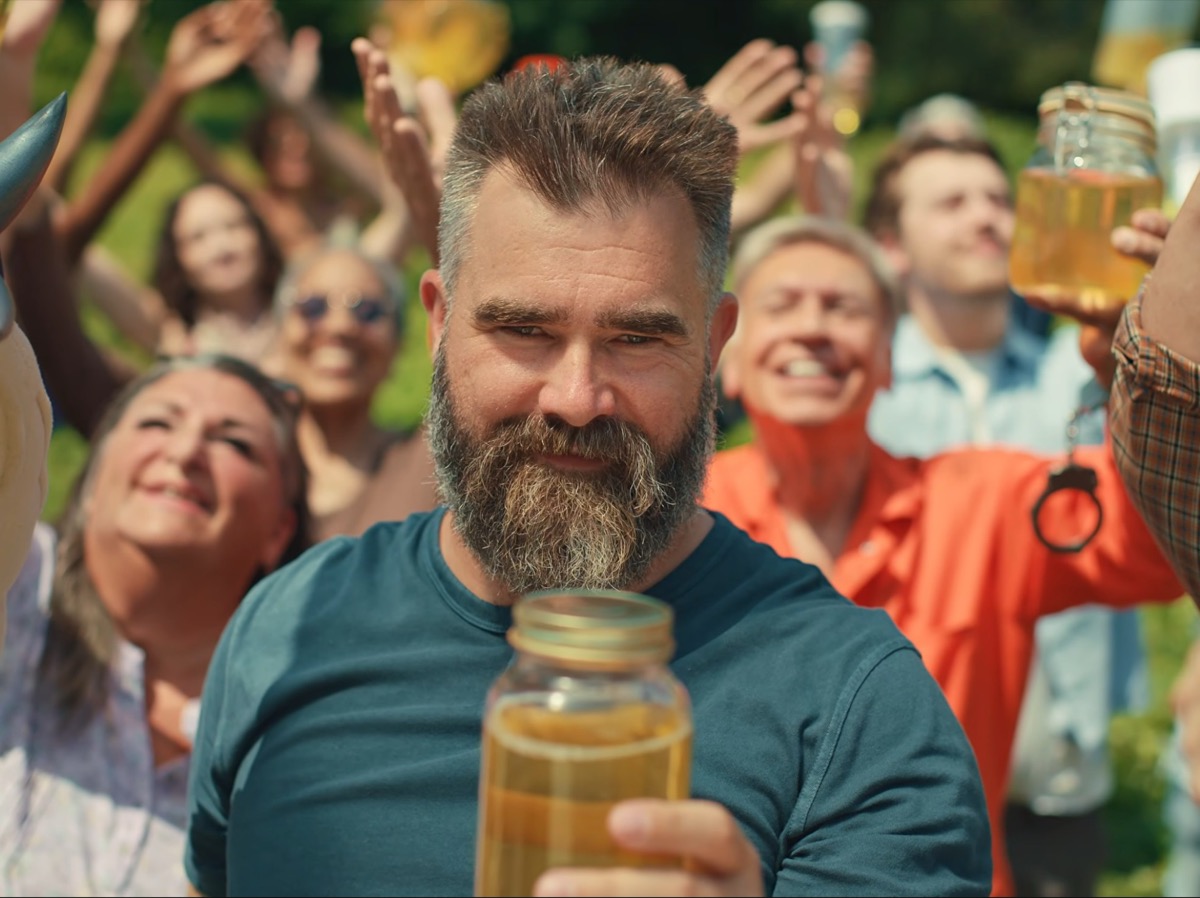
A 90-second absurdist music video, fronted by the NFL's Jason Kelce, proposing that AI data centers cool their servers with human urine instead of water. The move: take a real, current anxiety, data centers straining local water supplies, and run it through maximum brand-voice irreverence instead of a straight PSA, so the joke carries the issue further than a serious version ever would. Worth your minute because it's the sharpest recent example of a brand using pure tone, not a bigger budget or a celebrity name, to make an unglamorous real issue actually get talked about.
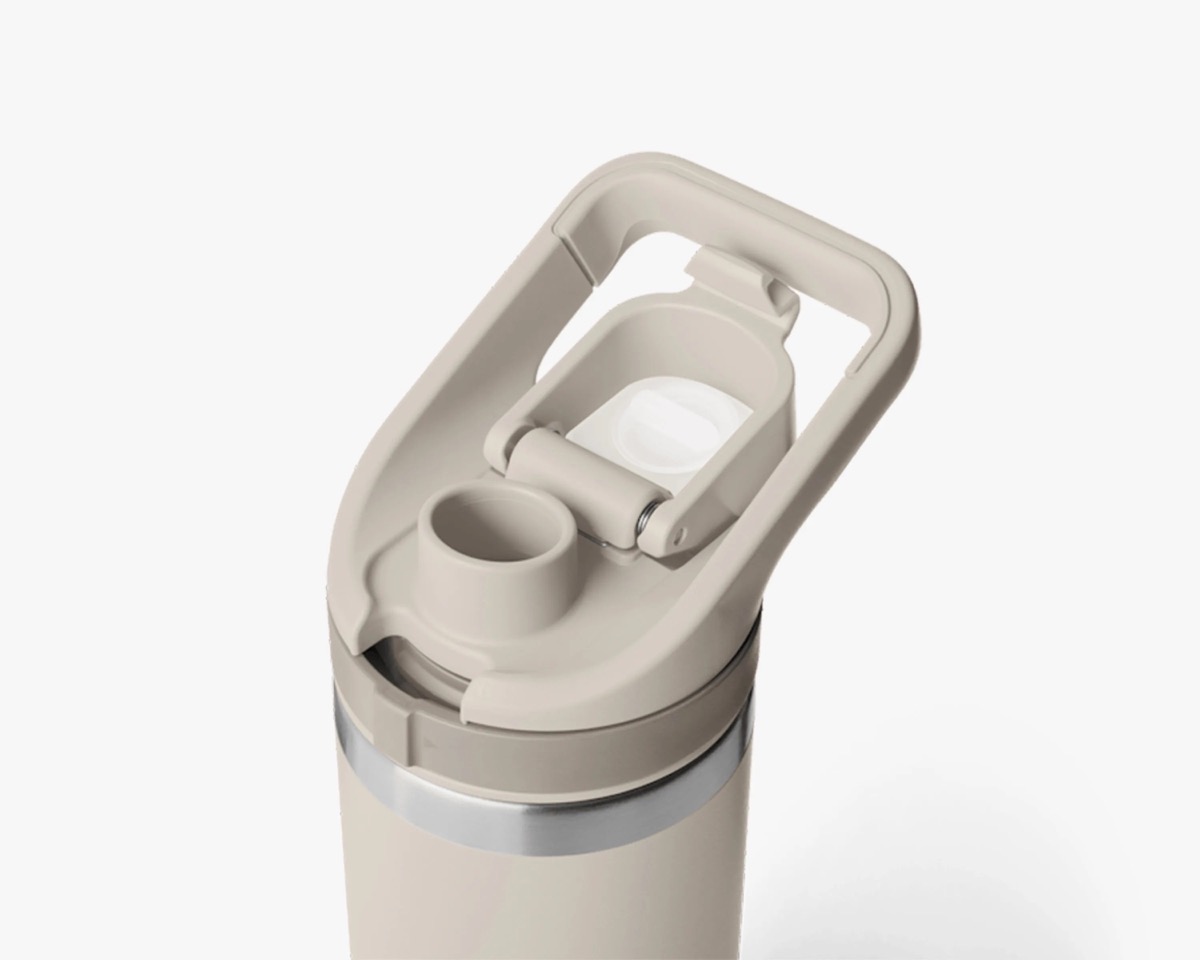
Released June 23 as a standard catalog update, not a limited drop, at $37 for 18oz and $45 for 26oz. The new cap flips up to drink and locks flat to seal, keeping the spout clean in transit, and it's backward-compatible: anyone who already owns a Rambler can buy just the new cap to upgrade the bottle they have. Worth your minute because it's YETI answering the Owala/Stanley flip-straw wave with its own engineered mechanism instead of a new colorway, and because a backward-compatible cap is a cheap way to extend the life of something people already bought.
Ideas and provocations as to what the above might all mean to goodr.
Offering a kids' line could mean unlocking a whole new consideration calendar.
Knockaround is doing it with ads timed to Little League's Fall Ball registration. A kid's social/school/activity calendar runs on registration deadlines and school-year milestones instead of weather or a sale. A real kids' line could open a lot of new messaging opportunities: sports seasons, back-to-school, birthday parties...
What if we hopped on the Mahjong bandwagon by intro'ing shades to the game, à la poker?
Poker sunglasses genuinely hide a tell; mahjong tells run on body language instead, so the whole premise is more of a bit than a functional claim, which fits exactly how goodr already talks about itself. Could be as simple as an insta post, or you could take it as far as a mahjong club sponsorship with PR coverage and a collection page listed in the website nav.
If affordable basics companies like Uniqlo and Quince are undercutting on price with "good enough" shades, how do we convey that "good enough" isn't good enough?
There are obviously product features and design/material choices that make our product better, but that might not matter to someone shopping for basics at Uniqlo who tosses a pair of sunglasses in the cart to hit the shipping minimum. Is that just a lost customer, or is there a way to convey to those folks that we're worth it? Do we offer to recycle their dupes for a discount?
We've gotta win over teens, no matter who in the household we're trying to get to buy.
Giftful, the wishlist app teens are using right now to publicly declare exactly what they want, is one real entry point worth chasing directly. There's no brand-facing mechanism today, no catalog, no submission form, no paid placement, a teen has to paste a link themselves, which just means the play is a direct conversation with Giftful about what a partnership could look like, rather than waiting to be discovered. Worth finding out before a competitor does.
Your Weekly Dose
A little nugget of knowledge from the science of people.
Optimal distinctiveness
People want to belong and stand out at the same time, and they pick the brands and groups that let them do both at once: similar enough to fit in, distinct enough to still matter. Two runners join the same run club. One wears the club's own logo tee. The other wears the tee with a pair of sunglasses in a colorway nobody else on the route has. Both are saying "I'm one of you." Only the second one is also saying "and I'm still me." A licensed collab does the same job at checkout: buying the officially licensed pair says you belong to the fandom, and picking the irreverent, unofficial-feeling version of it instead of the plain team-branded one at the stadium kiosk says you belong to it on your own terms.
Kurt
goodr is not a Kudare client, so this used public sources only. See intro at the top of the inbox for more context.
Blenders is launching a new frame at a run club, and adults now outspend children on Halloween costumes
Kurt Reckziegel <kurt@kudare.co>to goodr <the team>Sep 8, 2026
Market Intelligence Relay prepared for
week of September 1, 2026·8 minute readno. 04
Competitors & industry
What's the action happening among the competitive set and the category this week.
Tifosi went live with athlete-partnered ads in running and pickleball.
Both started Sept 2. One features Steph Pi, a physical therapist and running coach with 109,000 Instagram followers and a 3:03 marathon, talking in her own voice about not appreciating sunglasses until she wore them consistently. The other features professional pickleball player Parris Todd, under the line "Parris Todd plays at speed. We make eyewear that keeps up." Tifosi runs other ads with athletes in them. These two are the ones posted jointly by the brand's page and the athlete's own. Brand creative featuring an athlete borrows their image, whereas a partnership post borrows their audience and clearly signals their endorsement.
Pit Viper put ten new ad sets behind a heart-shaped pair of kids' sunglasses.
The Admirer Junior is a heart-shaped frame for "kids, tweens, and teens with smaller faces," sold on the same lens, grip and indestructibility claims as the adult Admirer. Ten Meta ad sets were a concentrated push for a single SKU inside an established kids range. "Do you love your child? Prove it." Separately, their new Pro Callout goggles at $170 now hold the homepage hero.. seems like a seasonal handover into snow.
Blenders is revealing an unreleased frame in person, at a San Diego community run on Sept 10.
The Turbojet does not exist on their site yet. No product page, no price, nothing in search. We've just got an invite to a community run at 4683 Cass St, 5 to 7:30pm, co-tagged with local run clubs, a recovery studio, a bagel shop and a DJ, promising "your first look at Turbojet in action." A follow-up post calls it "our fastest frame" and offers first access to anyone who comments. The reveal is focused on a room full of local runners before spending on paid social.
Knockaround is running part of its NYC Marathon presence through a 17,000-follower stroller-running mom.
Savage Stroller Mama describes herself as a mom of three and a marathoner, and says she is running New York in November with Team Knockaround. The post is a joint one with the brand and carries a giveaway that closed Sept 7. Separately, Knockaround released some new colors and editions: Black Cherry arrived as a permanent four-frame collection at $35, and a Mallard limited edition landed at $40 with the line "Get them before they fly south."
Four big-box retailers pulled Good Good Golf's product, then the CEO stepped down.
A Callaway-branded ad showing a man shoving a woman ran Aug 21 and drew accusations of trivializing domestic violence. Dick's Sporting Goods, Golf Galaxy, PGA Tour Superstore and Target all removed Good Good merchandise. Callaway ended the partnership and pledged $1M to anti-violence organizations effective Aug 27. The company's CEO and president both departed, reported Sept 3.
EssilorLuxottica's largest family shareholder went public against his own company's strategy.
Leonardo Maria Del Vecchio, who left management in August and still holds 32.4 percent through the family holding company, told a conference audience on Sept 6 that the group needs "a new chapter" and has lost half its market value. The stock was down 44.5 percent year to date as of Sept 4, while reported revenue has been growing. A board renewal falls next spring. The company that sets the premium end of the category is going to spend the next two quarters arguing with itself.
What's top of mind in your customers' lives right now, beyond the brand.
Streaming prices rose again and almost nobody canceled. People moved to the cheaper tier instead.
Prices are up 11.8 percent over twelve months, roughly three times general inflation since 2022. Spending did not follow. Deloitte's survey of 3,575 US consumers found the monthly average flat at $69, with 68 percent of subscribers now on ad-supported tiers against 46 percent in 2024. That is what a squeezed household sometimes does; it keeps the thing it likes and buys a cheaper version. In sunglasses, the goodr price band is where consumers are likely to land when they make that trade.
Adults now outspend children on Halloween costumes, $2B against $1.4B.
NRF put last Halloween at a record $13.1B, with 73 percent of Americans taking part and $114.45 spent per person. Just over half of celebrating adults dress up, at around $60 a costume, and 46 percent of them attend or throw a party. This year Oct 31 lands on a Saturday, so the party half of that gets a full weekend. The costume-buying window opens now and runs about seven weeks.
Northern students are enrolling at Southern schools in real numbers, and Esquire argues the parents are choosing for themselves.
Northern enrollment at Southern public universities rose 84 percent over two decades in federal data, and LSU counted 100 Northeastern students in 2014 against 568 in 2023. Esquire's account, built on parent interviews, is that families are buying a second college experience for themselves, with the tailgate as the real draw and the kid's education as the occasion for it. Either way, a generation of students is ending up fans of teams their hometowns never cared about.
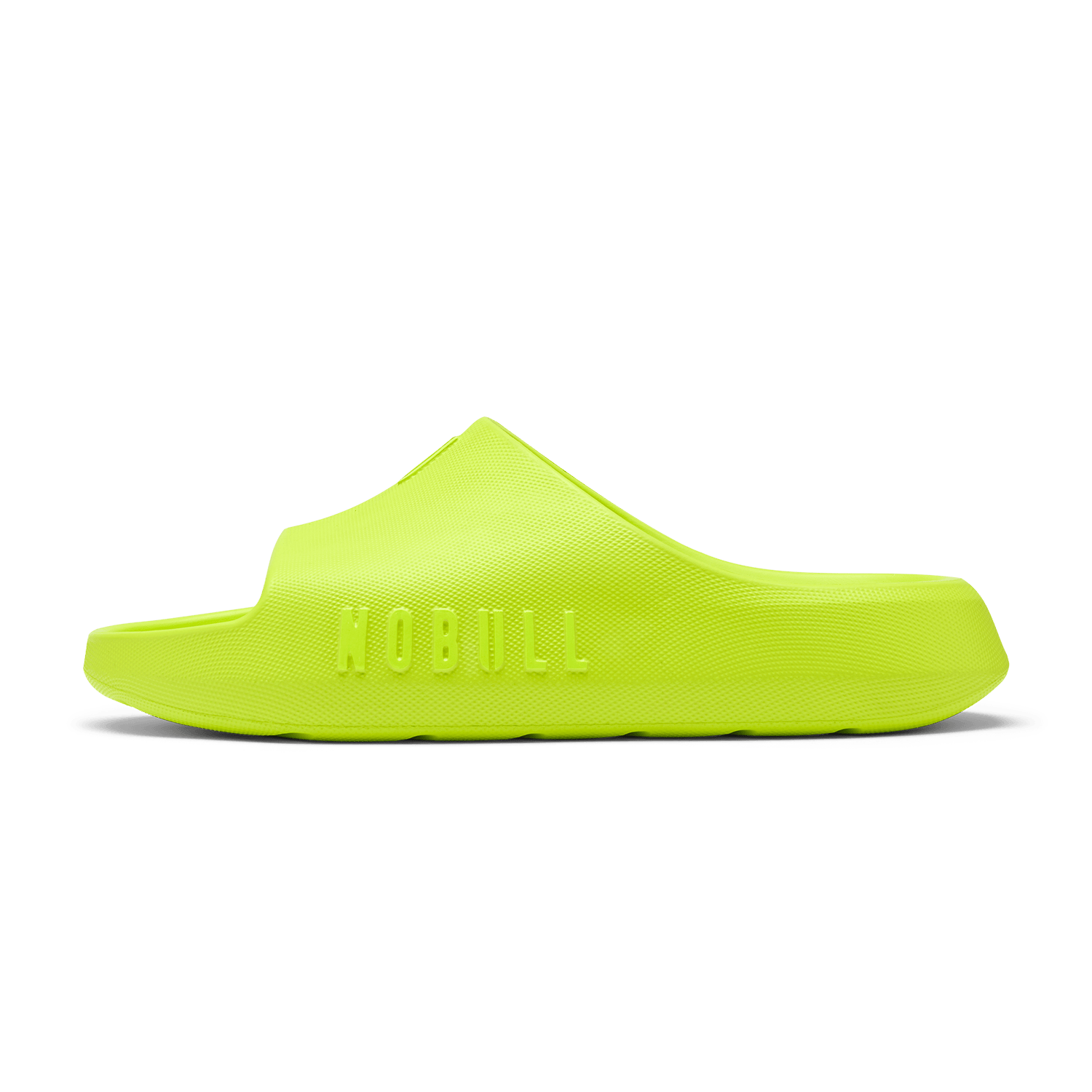
A recovery slide NOBULL released in August. The arch shape came from aggregate 3D foot scans rather than the generic foot mold most footwear is built around. Every pair is identical and nobody gets scanned, so it costs no more to make than an ordinary slide. The move: build one better default shape out of data from a lot of real feet, then put that in the marketing. Fit is the hardest thing for eyewear to promise, and this improves it without any custom-product machinery.
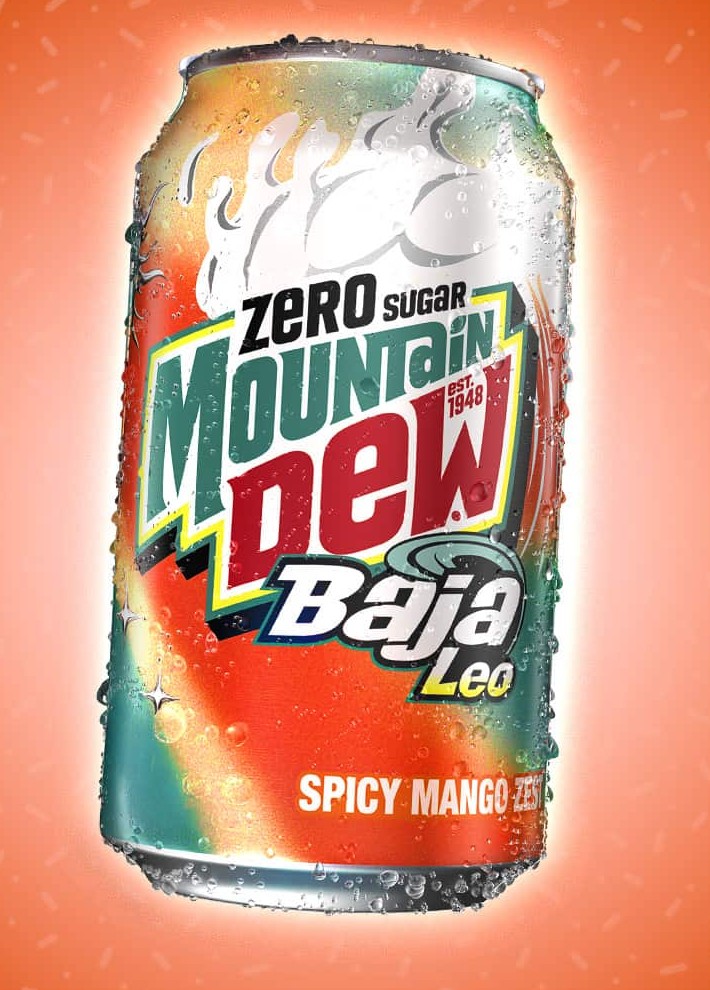
MARKETING: Mountain Dew Baja Leo Zero Sugar, sequential platform-exclusive drops
The same limited flavor was released as a TikTok Shop exclusive on Aug 12, sold out, then re-dropped as a Walmart.com exclusive two days later. The move: stage one product as sequential single-channel exclusives instead of one simultaneous launch, so every channel gets its own scarcity moment and its own news cycle. One inventory pool, two launches, two audiences who each think they got there first.
Ideas and provocations as to what the above might all mean to goodr.
What's our ideal mix of athlete partnership tiers?
Tifosi paid for branded content with a 109,000-follower physical therapist who runs 3:03. Knockaround got a marathon team affiliation with a running mom at 17,000. Blenders got a whole launch event by co-tagging local run clubs and a DJ. A pro buys the right to make performance claims. A micro-creator buys recognition. A club buys street cred.
We could be the brand that says running is about running, not spending.
Super shoes at $305. Gels at $3.75 a pop. $300 shorts, $200 sunglasses, $198 a year to run with a club that has a logo, race entries north of $300, coaching up to $1,400 a month. Every single category in this sport has grown an expensive tier. At our price point, we could be one of the only brands in the space to make a statement like this without contradicting ourselves. Promote it with a gear swap or something? Be the brand that supports runners on a budget.
Most Halloween costume elements are expected to be pretty disposable, but sunglasses get worn again.
Adults now outspend children on costumes, $2B against $1.4B, at around $60 a costume. Seven weeks is short notice for a collab drop, but not for merchandising what's already in the catalog against the looks people are planning. The costume is a great excuse to grab a new pair, but really you'll be wearing those things all year.
Your Weekly Dose
A little nugget of knowledge from the science of people.
Mimetic desire
We rarely want things directly. We want what the people we watch want, and desire gets copied from whoever we've chosen as a model. René Girard's argument was that this is the engine underneath taste, status and rivalry all at once.
It explains something otherwise strange about run clubs. A new runner shows up in whatever they own, and within two months has the same watch, the same shoes and the same gels as the person one pace group ahead of them. Nobody recommended any of it and nobody was sold anything. The wanting was borrowed by proximity. Girard's sharper point is that the pull gets stronger the closer the model is, which is why the fiercest brand rivalries live between people who are nearly identical, and why the most valuable endorsement is often not the fastest person in the room but the one just slightly ahead of you.
Kurt
goodr is not a Kudare client, so this used public sources only. See intro at the top of the inbox for more context.
start here
$3,750/mo
$5,000 once to set it up. No annual contract necessary.